




















Avo

Your Daily
Language Avocado

Watch videos like you scroll TikTok. Learn English through real dialogue.

Built on comprehensible input: use visuals and subtitles to understand, then shadow, take quizzes, and review to make the expressions you love part of your English.

10 minutes a day · Core learning free

Currently learning
🇬🇧
Launch: Chinese → English · Korean & Japanese coming soon
Daily
0:42/1:28
Friends S03E12☕ Cafe
1/4
Key expression highlighted

I think we should grab some coffee first.

I think we should get some coffee first.

1.0xSubs: OnTrans: On
0minDaily learning time
0$Core feature cost
0typesInteractive quizzes

The method

Textbooks give you sentences like “I’m fine, thank you. And you?”

Life goes beyond the textbook.

Chapter 3 · Lesson 12

I’m fine, thank you. And you?

Read aloud. Change the tense. Remember the rules.

  • Learn 50 isolated words
  • Repeat pronunciation drills
  • Memorize verb tables
A café conversation showing someone placing an order

Scene preview

Everyday English · Ordering coffee

order /ˈɔːrdər/

ask for food or drink

I’d like to order a coffee, please.

A polite way to ask for a coffee.

Think of learning your first language: family conversations, jokes with friends, and stories you loved. Context, repetition, and emotion gave those words meaning.

Avo turns short movie and TV scenes into focused practice. Understand a line, say it aloud, then revisit it. Remember the expression and the moment you can use it.

  • Understand in context
  • Practice by shadowing
  • Remember through review
Explore the Avo learning loop

English in context

Same idea. A more natural way to say it.

Small changes can change your meaning or tone. Here are four everyday situations to try.

  • Waiting around and feeling bored

    You might say

    I’m boring.

    In this situation, try

    I’m bored.

    Feeling uninterested or restless.

    Boring describes someone or something that causes boredom. Bored describes how you feel. That ending changes the meaning.

  • Talking enthusiastically about an interest

    You might say

    I very like it.

    In this situation, try

    I’m really into it.

    Having a strong interest in something.

    Very cannot directly modify like; really like fixes that. For hobbies, be into adds a sense of interest and enthusiasm.

  • Letting a friend choose where to eat

    You might say

    You decide.

    In this situation, try

    It’s up to you.

    Leaving the choice to the other person.

    You decide is grammatical, but a short delivery can sound blunt. It’s up to you works well when casually leaving a choice to a friend.

  • Promising a reply after checking something

    You might say

    I will reply to you later.

    In this situation, try

    I’ll get back to you.

    Replying once you have more information.

    The first sentence is correct. Get back to someone is a common way to promise a later response, especially after checking details.

Natural English comes with context. Avo helps you notice the tone, practice aloud, and revisit expressions.

Comprehensible input

Comprehensible input is language whose main message you can understand with what you already know, visuals, and context.

You do not need to know every word. Choose content you can mostly follow, with a few new expressions, and focus on the story or conversation.

  • Find the right level

    Start with short clips you can mostly understand, with a few unfamiliar expressions to explore.

  • Use the context

    Use the people, visuals, and subtitles to connect new words with a real situation.

  • Keep encountering it

    Revisit clips you enjoy and encounter expressions in similar situations to make them more familiar.

From understanding to using

The Avo Method

Start with comprehensible input. Turn a video you enjoy into expressions you can say and remember.

  1. STEP 01

    Watch videos

    Watch a real video and use visuals, subtitles, and translations to understand the dialogue in context.

  2. STEP 02

    Say it aloud

    Listen, copy the rhythm, record your voice, and compare it with the original audio.

  3. STEP 03

    Put it into practice

    Review the key points, then take a short quiz to check meaning and usage.

  4. STEP 04

    Review and remember

    Save useful expressions and return to them in review to turn familiarity into knowledge.

Learn one scene deeply

  1. 01

    I'd like to order a coffee, please.

    I would like to order a coffee, please.

    Watch

    Follow the scene

  2. 02

    I'd like to order a coffee, please.

    Record
    OriginalMy recording

    Shadow

    Say the line aloud, record yourself, and compare your recording with the original audio.

  3. 03
    I'd like to…

    A polite way to say “I want…”

    I'd like to order a coffee, please.

    I would like to order a coffee, please.

    Key points

    Clip notes

  4. 04

    I'd to order a coffee, please.

    wantlike

    Correct answer

    Quiz

    Check your learning

Master one expression through real clips

Follow one high-frequency expression across four real screen clips, interactive subtitles, and a mini quiz so you can use it naturally in different situations.

🥑Core Expression · Sentence
DailyOrderingPolite request

I'd like to order a coffee, please.

I would like to order a coffee, please.

A1/aɪd laɪk tuː ˈɔːrdər ə ˈkɒfi pliːz/
📋Summary Card
  • I'd like to... is a polite way to begin a request
  • Use order naturally when asking for food or drinks
  • Adding please makes the request sound friendlier
🧪Mini Quiz

Fill in: I'd like to _____ a coffee, please.

makeordertakedrink
ListeningFill-inOrderingScene MatchTranslation
🥑

Understanding is only the start. Each lesson breaks a real scene into reusable expressions, then uses quizzes and review to make them stick.


12 languages, 12 screen worlds

Pick your next binge.

From Japanese anime and Korean dramas to French cinema. Discover stories in different languages and find the one that keeps you watching.

  • Japanese

    日本語

    Anime · J-Drama

    Featured examples

    進撃の巨人 · 鬼滅の刃 · 深夜食堂

  • Chinese

    中文

    C-Drama · Period drama

    Featured examples

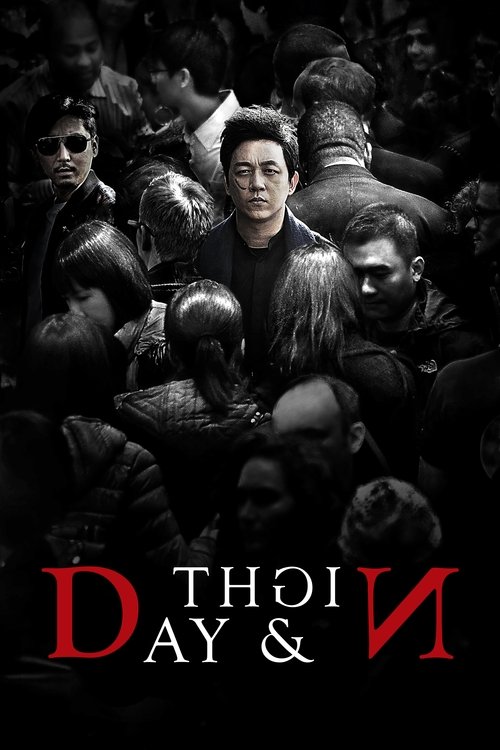
    白夜追凶 · 以家人之名 · 苍兰诀

  • Korean

    한국어

    K-Drama · Heartfelt stories

    Featured examples

    사랑의 불시착 · 이상한 변호사 우영우 · 슬기로운 의사생활

  • English

    English

    Sitcoms · US series

    Featured examples

    Breaking Bad · Friends · Stranger Things

  • Spanish

    Español

    Telenovelas · Teen drama

    Featured examples

    Club de Cuervos · Destilando amor · Élite

  • French

    Français

    French comedy · Crime

    Featured examples

    Dix pour cent · Emily in Paris · Lupin

  • German

    Deutsch

    Mystery · Sci-fi

    Featured examples

    Babylon Berlin · Biohackers · Dark

  • Portuguese

    Português

    Brazilian drama · Social stories

    Featured examples

    3% · Avenida Brasil · Cidade de Deus: A Luta Não Para

  • Italian

    Italiano

    Italian drama · Coming of age

    Featured examples

    Baby · Gomorra · L’amica geniale

  • Thai

    ไทย

    Thai drama · Teen cinema

    Featured examples

    เพราะเราคู่กัน · ฉลาดเกมส์โกง · หัวใจรักสี่ดวงดาว

  • Vietnamese

    Tiếng Việt

    Vietnamese cinema · Family stories

    Featured examples

    Bố già · Gái già lắm chiêu · Hai Phượng

  • Russian

    Русский

    Russian drama · Sci-fi

    Featured examples

    Лучше, чем люди · Фарца · Кухня

Start with everyday sentences

Ranked by real spoken frequency, with every sentence leading straight into practice.

  1. 1High frequency

    I don't know.

    I am not sure.

    Answering / uncertainty

  2. 2Daily

    Thank you.

    Thanks.

    Polite response

  3. 3Opinion

    I think so.

    That is what I think.

    Soft opinion

  4. 4Expressions

    What's going on?

    What is happening?

    Asking about a situation

  5. 5Expressions

    Are you okay?

    Are you all right?

    Checking on someone

  6. 6Expressions

    See you later.

    See you later.

    Saying goodbye

Learn like watching a show

One video after another, learning English gets more addictive.

  • Multi-Scene Real Content

    One real video scene × 3–5 key expressions — understand the context first, then practice reusable sentences until you can say them.

  • 10-Minute Loop

    Daily pick → subtitled playback → mini quiz → mistakes to review queue. A complete loop even in spare time.

  • Streaks & Daily Goals

    Default: 10 min or 1 unit per day. Visual streak counter. Customizable reminders — no pressure.

  • Start in 4 Steps

    Pick a language → choose your level → select a learning mode → set interests. Start learning immediately — free, no waiting.

Is Avo right for you?

  • You’re ready to move on from dry, repetitive English exercises and try something more engaging.

  • You want learning to feel enjoyable and easy to stick with, with a little progress every day.

  • You love movies and TV, and want to learn through stories you actually enjoy.

  • You want to train your ears and follow dialogue with fewer subtitle cues.

  • You watch plenty of videos and want to keep useful expressions that slip past.

  • You want to turn spare minutes on your commute or lunch break into English you can use.

How is Avo different from other language apps?

DimensionAvoDuolingoBabbelMemrise
ContentMovie and TV clips with expressions in context.Vocabulary, sentence patterns and short stories.Courses organized by topic and level.Native speaker videos and useful words and phrases.
LearningWatch clips, tap subtitles and take mini quizzes.Gamified reading, writing, listening and speaking.Guided lessons and everyday dialogue practice.Vocabulary practice, video listening and AI conversations.
ReviewSave expressions from clips to a review queue.Course review and personalized practice.Spaced repetition for course vocabulary.Spaced repetition for words and phrases.
Free accessCore learning path free long-term.Free courses with optional subscriptions.First lesson free to try; full courses require payment.Start free; Pro unlocks more content and practice.

A day with Avo

What does a day with Avo look like?

Fit about 10 minutes into three small breaks. Understand, speak, then check what you have learned.

  1. 4min

    Morning · Watch

    Watch a short scene over breakfast or on your commute.

    • Follow the story and visual context
    • Check subtitles and translations when needed
    • Choose one line to practice
  2. 3min

    Lunch · Speak

    Return to a line from this morning and say it aloud.

    • Listen sentence by sentence and copy the rhythm
    • Record your voice and see scoring feedback
    • Practice a tricky line again
  3. 3min

    Evening · Check

    Review the key points and check your learning with a quiz.

    • Review expressions and how they are used
    • Take a quiz to find what needs more practice
    • Save useful sentences for later review
  4. 10min

    Your day · About 10 minutes

    Turn a few scrolling breaks into small steps forward.

    • 4 minutes watching + 3 speaking + 3 reviewing
    • Split the session or do it all at once
    • Go at your pace; start with one sentence

Frequently Asked Questions

Honest answers to what you want to know most about Avo.

Avo starts with real videos and dialogue, followed by subtitles, shadowing, key points, and quizzes. Its focus is understanding expressions in context and practicing them aloud, rather than building the experience around short drills and gamified tasks.

It depends on your starting level, consistency, and goals. There is no fixed timeline for everyone. Start with about 10 minutes a day and build useful expressions through listening, shadowing, and review.

It is language whose main message you can understand using what you already know, visuals, and context. Choose videos you can mostly follow, with a few new expressions, and use subtitles and translations when needed.

Start with short, simple everyday dialogue. Visuals, subtitles, and translations help you understand before you repeat each line. Learn one useful expression first, then gradually increase the difficulty.

You can currently choose English, Korean, Japanese, or Spanish: 4 learning languages. Select your target language when you start, then learn through videos, subtitles, shadowing, and practice.

Both. Watch and listen first, then shadow the dialogue, record your voice, and compare it with the original audio. Key points and quizzes help you check meaning and usage.

Aim for about 10 minutes: 4 watching, 3 shadowing, and 3 reviewing key points and taking a quiz. Do it together or split it across your day; start with one line when time is short.

The core learning path stays free, with no subscription tiers or paid energy limits. Optional structured courses, bootcamps, or focused course packs may be offered in the future.

Learn one short scene today

10 minutes a day · Real clips · Core learning free

Launch language: Chinese → English · Korean & Japanese coming soon